What Canadian Ecommerce Sellers Need to Know About U.S. Shipping in 2026
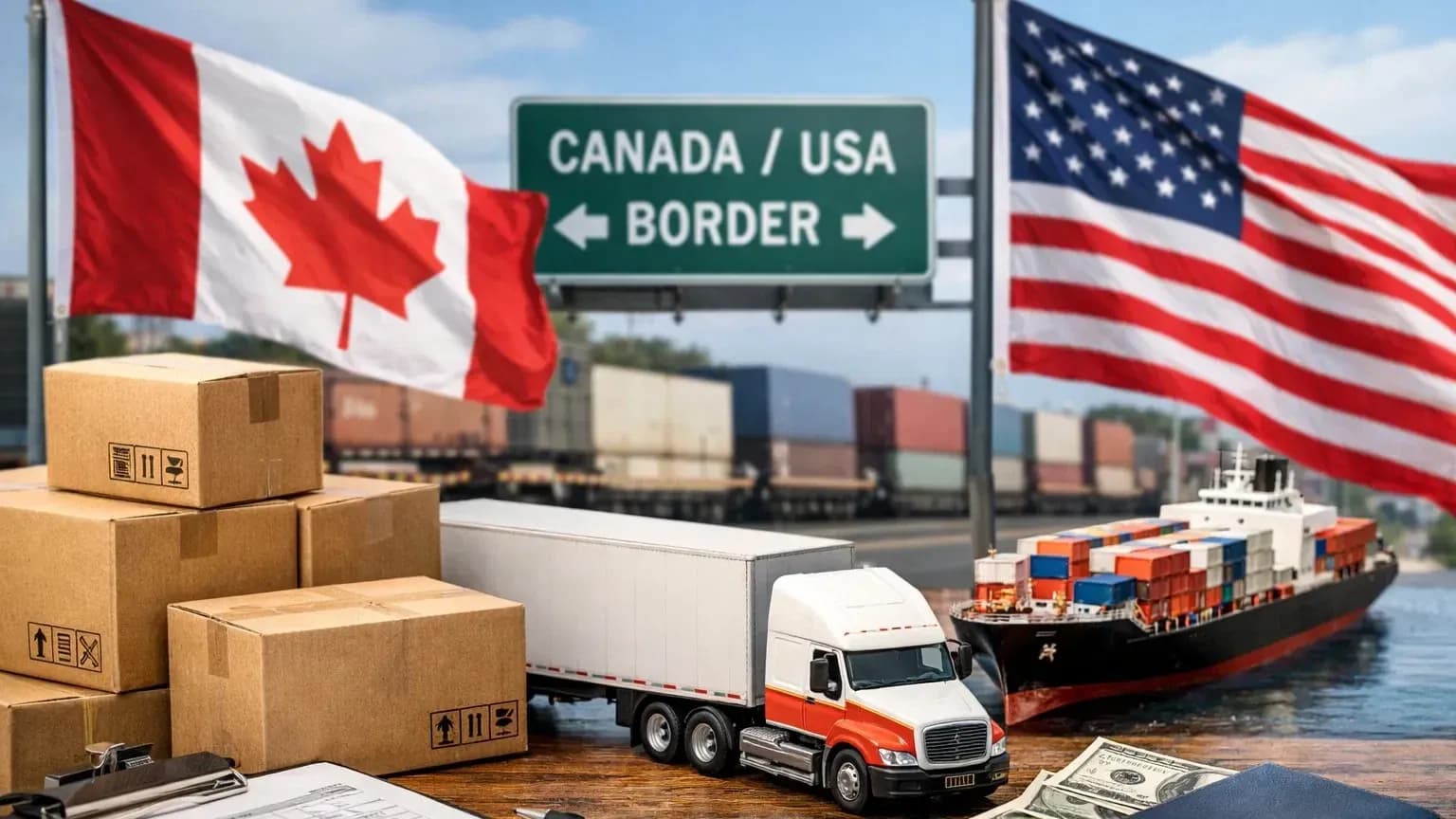
A 2026 guide to Canada-U.S. ecommerce shipping explains full customs entry, potential duties and brokerage fees, and delivery planning for Canadian sellers.
Canadian ecommerce sellers shipping to the United States face a significant customs consideration in 2026: the U.S. de minimis exemption remains suspended. According to a guide from a Toronto accounting firm, even small parcels now require full customs entry. Duties and brokerage fees may also apply, so a low-value shipment can involve costs and paperwork beyond the postage charge.
For a store shipping in both directions, it’s important to distinguish Canada-to-U.S. shipments from U.S.-to-Canada orders. Duty and tax treatment can differ depending on the direction of travel and the shipment’s circumstances. The guide compares those rules and also addresses delivery speed. Since fees and transit times can depend on the carrier and shipment details, sellers should confirm current requirements rather than rely on a single general estimate.
These considerations matter when setting customer expectations. Review shipping settings, checkout estimates, and policies for cross-border orders. Make sure customers can see that customs charges may be possible, and check how your carrier or customs broker handles entries, duties, and brokerage. Clear information can help prevent surprises after an order ships.
For Hamilton-area stores planning Canada-U.S. shipping promotions around BFCM, it’s useful to check cross-border costs and delivery estimates before finalizing campaign details. The source summary doesn’t verify the article’s exact publication date, so treat any date inferred from a search listing as uncertain. Confirm current procedures with your shipping provider before making operational decisions, then update your store’s shipping information as needed.